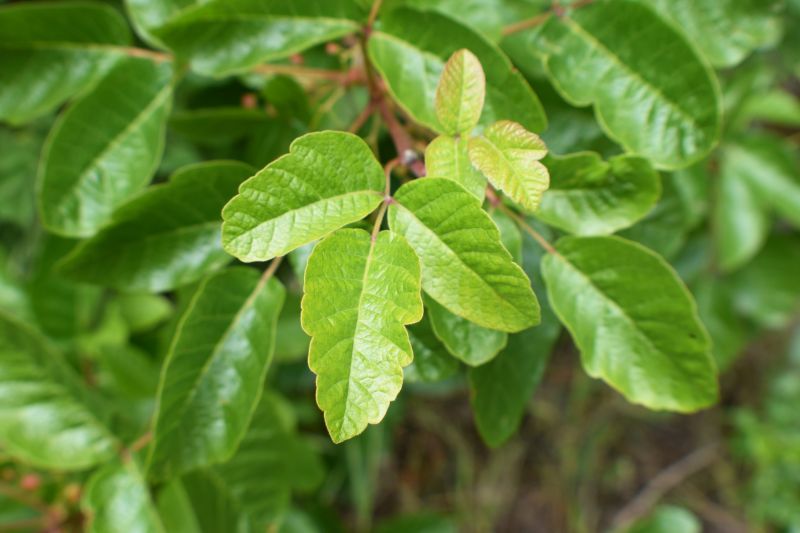
Poison Oak Removal in Delaware County, PA
Poison oak removal services are designed to safely eliminate this hazardous plant from residential properties. These services typically cover a range of projects, including clearing overgrown areas, maintaining gardens, and restoring outdoor spaces affected by poison oak growth. Property owners often seek this service to reduce the risk of skin irritation, allergic reactions, and to prevent the plant from spreading further across lawns, fences, or natural areas on their property.
Before requesting poison oak removal, property owners should understand the extent of the infestation and the specific areas affected. It’s helpful to identify whether the plant is growing in accessible or hard-to-reach spots, as this can influence the scope of work. Clear communication about the size of the area and any safety concerns is important to ensure the removal process is effective and thorough. Proper disposal methods are also a key consideration to prevent the plant from regrowing or spreading to neighboring properties.
Many property owners in Delaware County, PA look into Poison Oak Removal for repairs, replacements, upgrades, and appearance-related improvements.
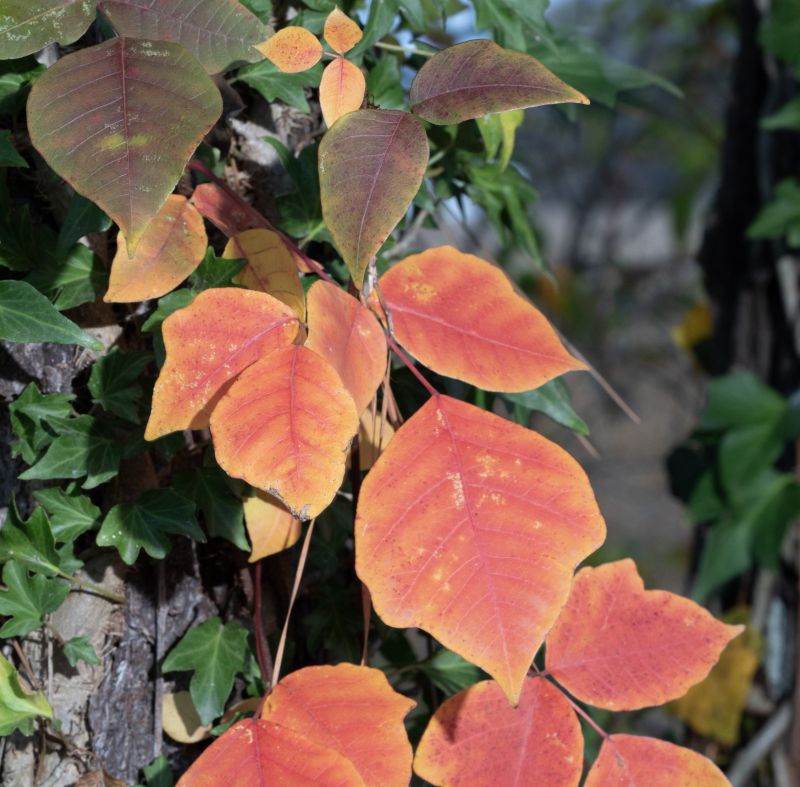
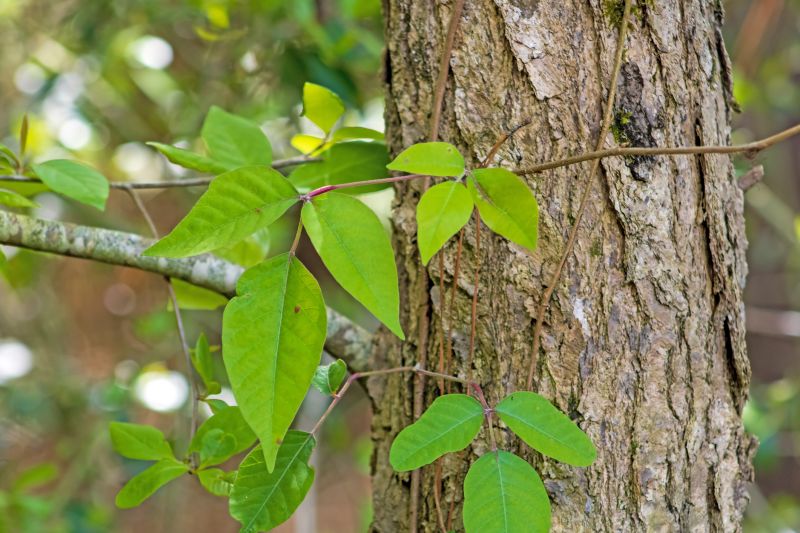
Identifying Poison Oak
Learn how to recognize poison oak to prevent accidental contact on your property.
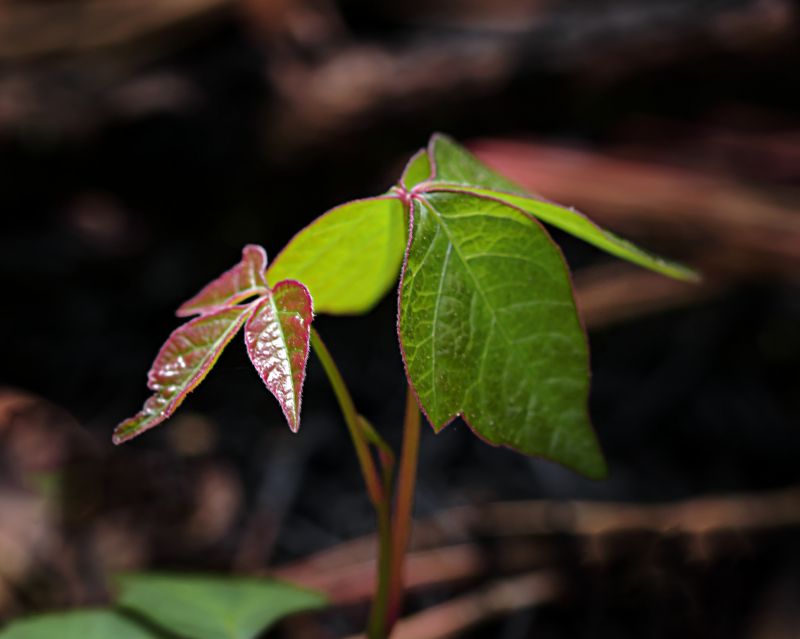
Safe Removal Techniques
Professional removal ensures safe clearing of poison oak to protect your family and pets.
Property Maintenance Tips
Regular upkeep helps control poison oak growth and keeps your landscape safe and healthy.
Poison Oak Removal in Delaware County, PA

Poison oak removal services are designed to safely eliminate this hazardous plant from residential properties. These services typically cover a range of projects, including clearing overgrown areas, maintaining gardens, and restoring outdoor spaces affected by poison oak growth. Property owners often seek this service to reduce the risk of skin irritation, allergic reactions, and to prevent the plant from spreading further across lawns, fences, or natural areas on their property.
Before requesting poison oak removal, property owners should understand the extent of the infestation and the specific areas affected. It’s helpful to identify whether the plant is growing in accessible or hard-to-reach spots, as this can influence the scope of work. Clear communication about the size of the area and any safety concerns is important to ensure the removal process is effective and thorough. Proper disposal methods are also a key consideration to prevent the plant from regrowing or spreading to neighboring properties.
Many property owners in Delaware County, PA look into Poison Oak Removal for repairs, replacements, upgrades, and appearance-related improvements.
Common Poison Oak Removal Jobs
Poison Oak Removal - Safe removal of poison oak to prevent skin irritation and allergic reactions.
Landscape Clearing - Clearing overgrown areas infested with poison oak to improve yard safety.
Property Maintenance - Regular inspections and removal to keep properties free of poison oak hazards.
Emergency Removal - Prompt removal services for urgent poison oak issues in high-traffic areas.
Vegetation Management - Control and removal of poison oak in wooded and landscaped spaces.
Yard Cleanup - Complete cleanup of poison oak during property renovations or seasonal landscaping.
Poison Oak Removal Questions
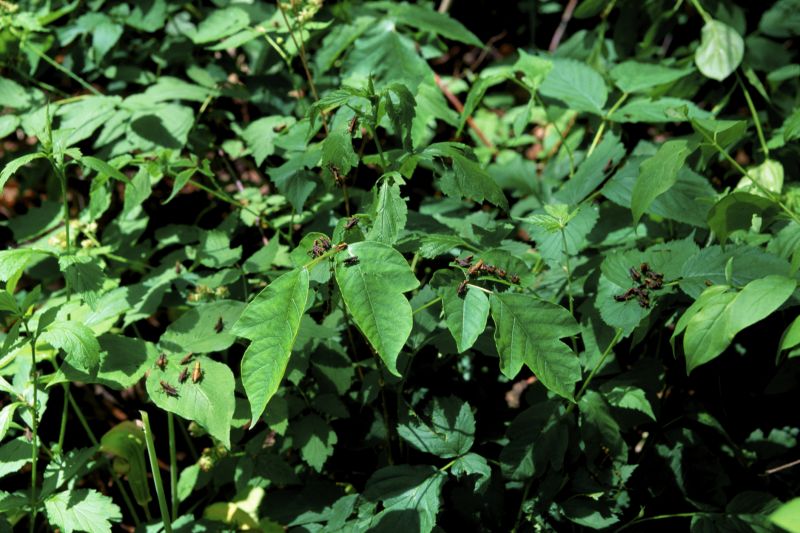
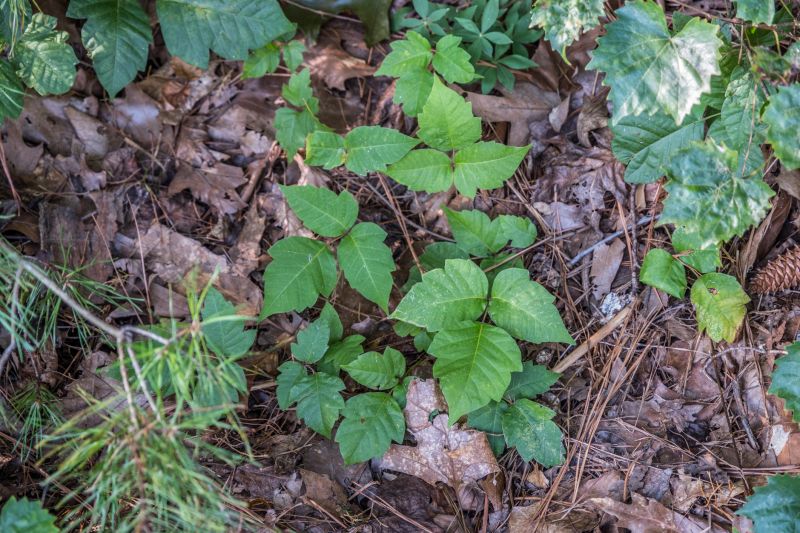
What is poison oak removal? Poison oak removal involves safely eliminating the plant to prevent skin irritation and property damage.
When should poison oak be removed? Removal is recommended when poison oak is visible in high-traffic areas or near children and pets.
What methods are used for poison oak removal? Methods include manual removal, herbicide application, and root barrier installation to prevent regrowth.
Is professional poison oak removal necessary? Professional removal ensures safe and effective elimination, reducing the risk of spreading or incomplete removal.
Request Poison Oak Removal in Delaware County, PA
Use the quote form on this page to share the basics of your project and request more information for the type of work you need.